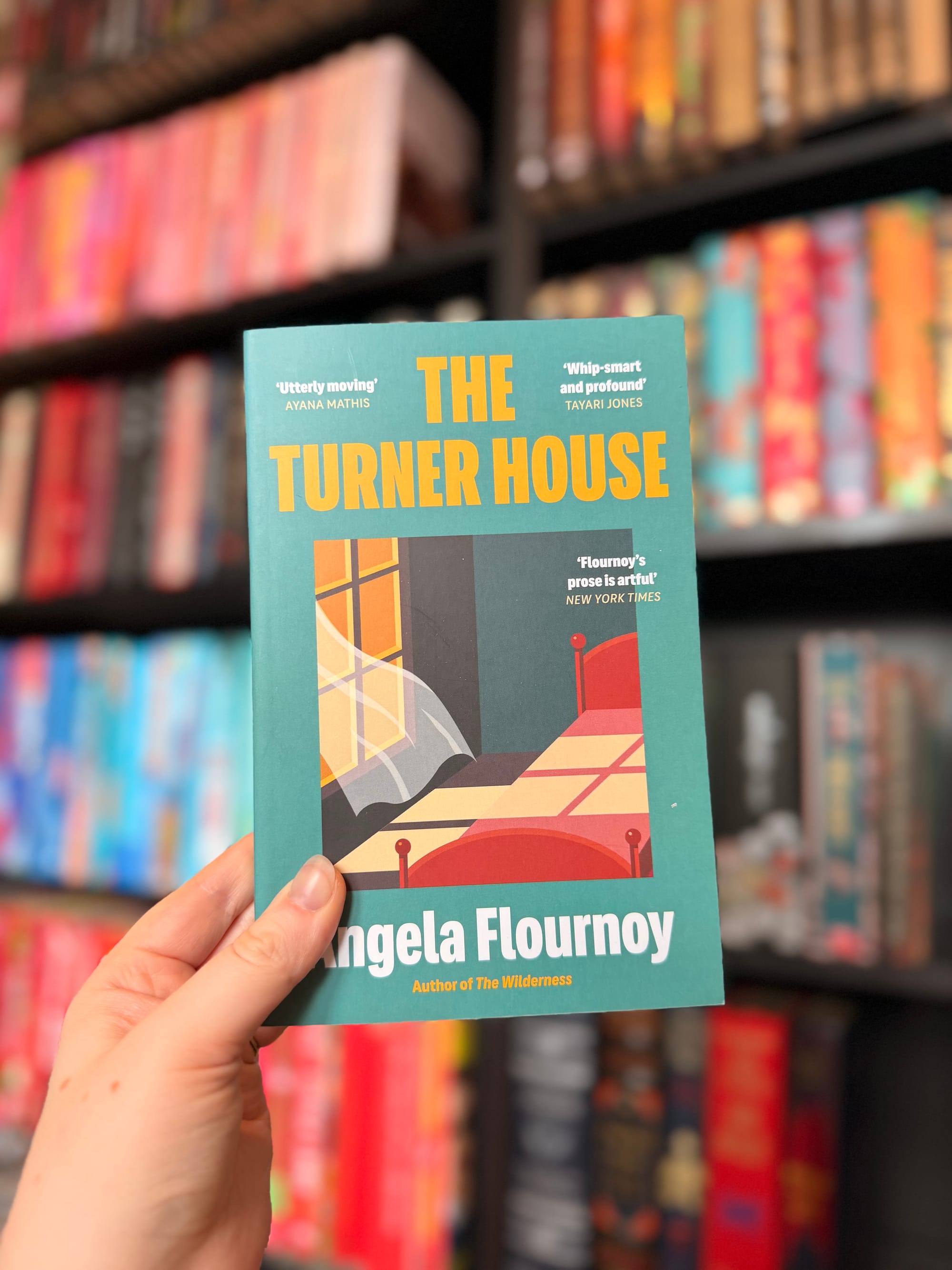
The Tuner House.
By Angela Flournoy.

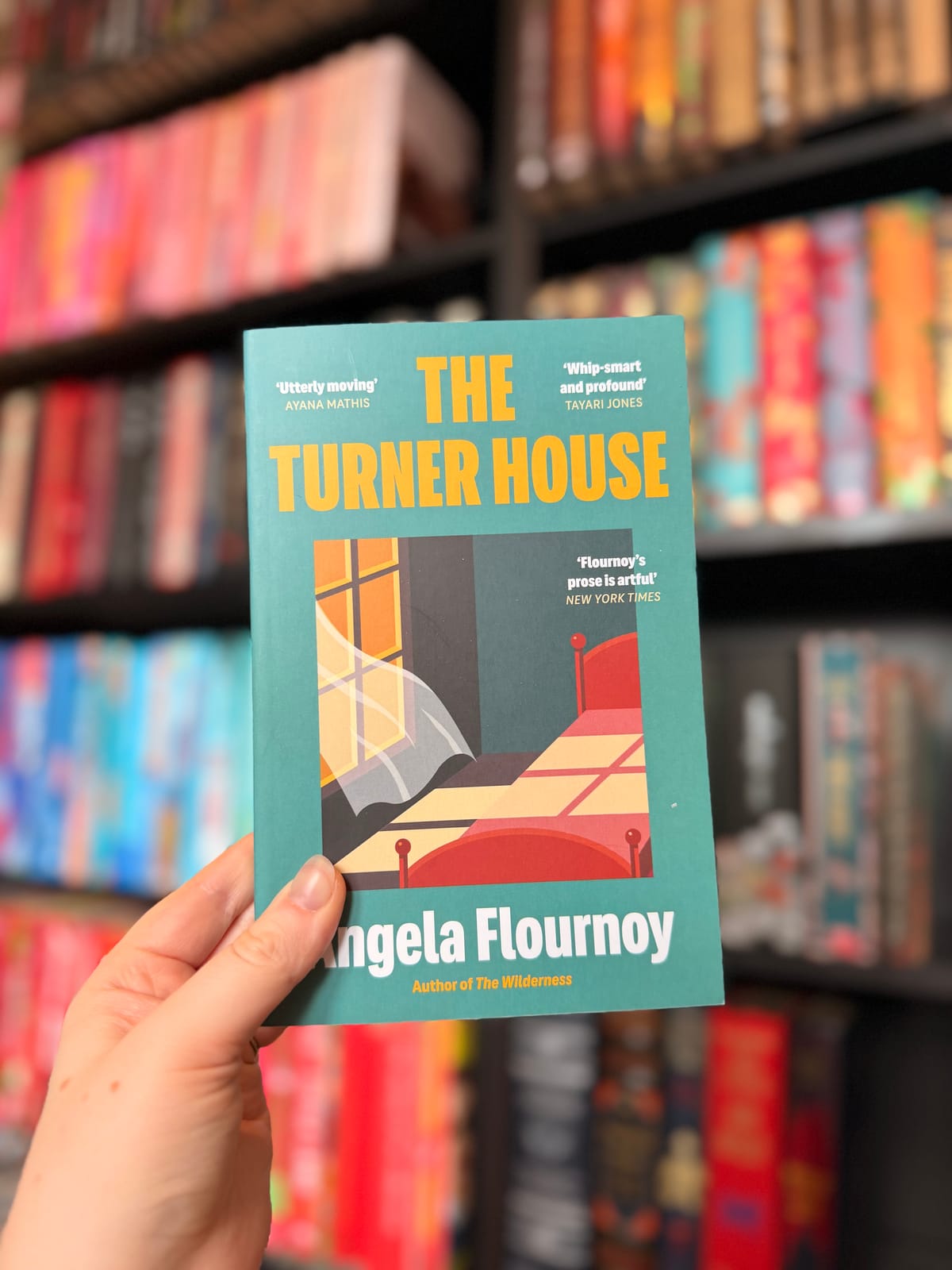
By Angela Flournoy.
What happens to a family home when its financial value no longer reflects everything it means to the people who grew up there?
For more than fifty years, the Turner family have been connected to their house on Yarrow Street in Detroit. Francis and Viola raised thirteen children there, but decades later Francis has died, Viola's health is declining and the house is worth considerably less than the mortgage still owed on it. The siblings now have to decide what happens to a place containing so much of their shared history.
There was plenty I enjoyed here, particularly the sense of family history. With thirteen siblings, their children and decades of memories between them, the Turners feel like a family that existed long before we arrived. Old disagreements, different versions of the past and long-established roles within the family all influence how they behave as adults.
Rather than trying to give equal attention to all thirteen siblings, the story focuses mainly on Cha-Cha, Lelah and Troy. Cha-Cha carries much of the responsibility for the family and is also dealing with his own difficulties following an accident. Lelah is struggling with a gambling addiction and secretly moves back into the empty family home after being evicted, while Troy has his own ideas about solving the problem of the house. I found these individual struggles much more interesting because they show three very different relationships with both the family and Yarrow Street.
I particularly liked how Francis and Viola's earlier life is woven through the present. Their beginnings together, Francis leaving for Detroit to find work and Viola eventually building a life there give much more meaning to the house the children are now debating whether to keep.
Detroit itself is equally important. The changing neighbourhood, falling property values and decline of the East Side sit alongside the Turners' personal history, making the fate of their home about far more than simply whether they should sell it.
With such a large family, some of the other siblings inevitably felt less developed, and at times I wanted to know more about them. However, I also think that sense of a much larger family existing around the central characters adds to the realism.
The Turner House is ultimately about what families inherit beyond money and property. The house may have lost much of its financial value, but after decades of births, deaths, arguments and memories, its value to the Turners is much harder to calculate.
Thank you to Lisa and the team at Verve Books for organising and including me in the book-tour. The book is out now and available to purchase.
Support a local and independent bookshop and purchase the book here.