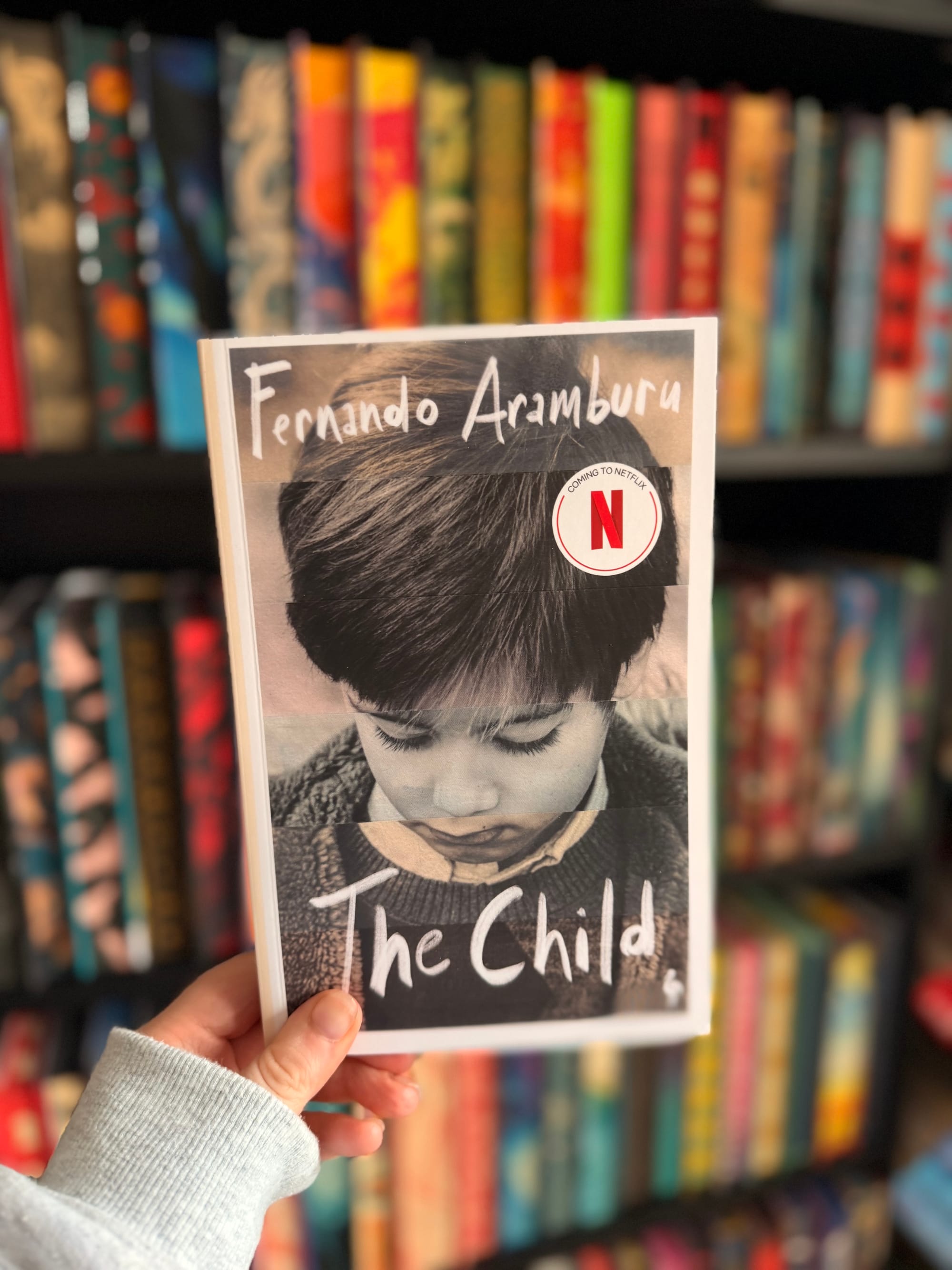
The Child.
By Fernando Aramburu.

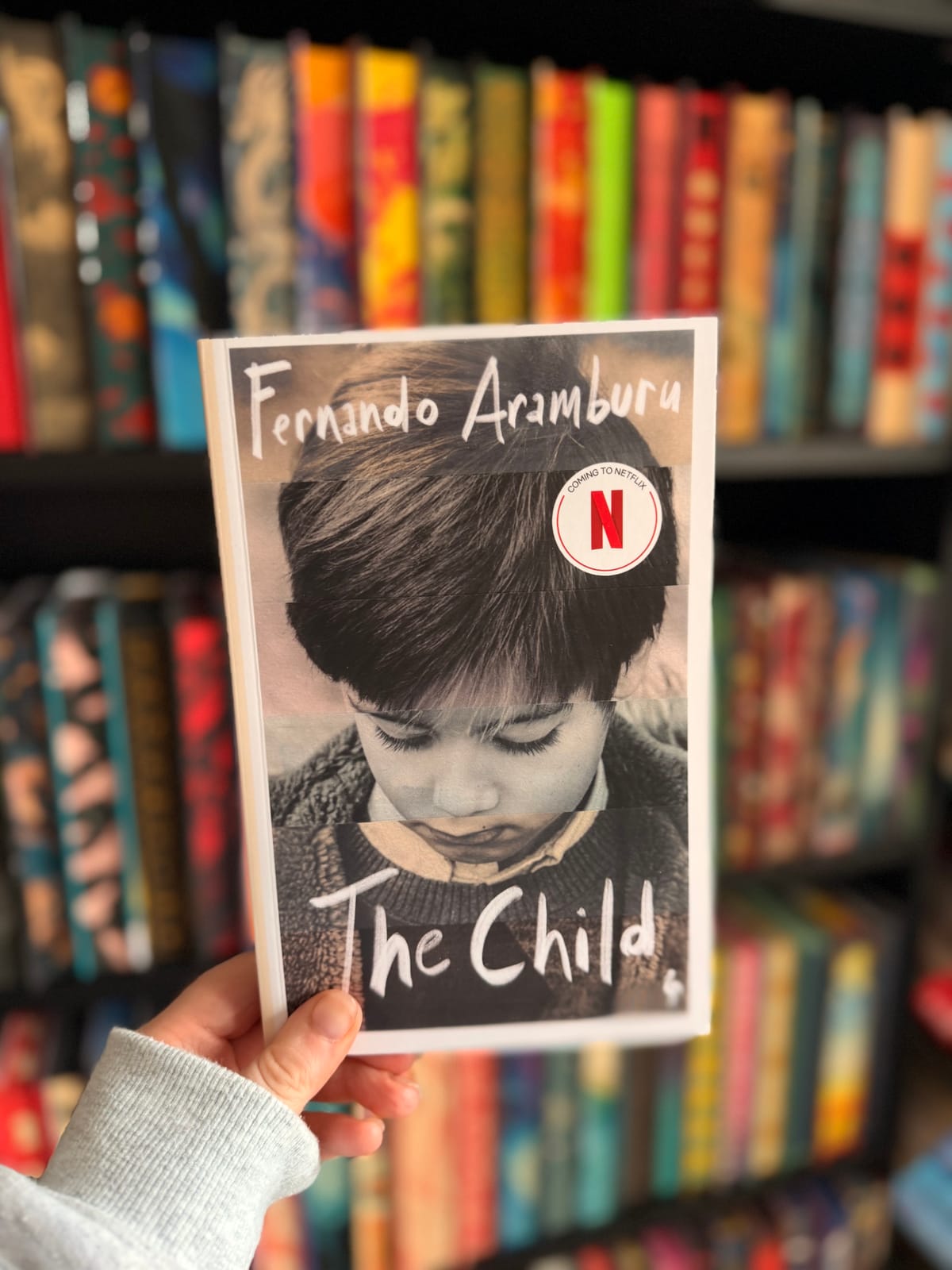
How does a family continue when grief refuses to move at the same pace as the rest of the world?
The Child is inspired by the devastating explosion at a school in Ortuella, near Bilbao, in October 1980, which killed fifty children. Rather than concentrating on the disaster itself, Fernando Aramburu turns his attention towards those left behind and the different ways a family attempts to live with an unimaginable absence.
At the centre is Nuco, a young boy whose death leaves his parents and grandparents facing a future none of them were prepared for. What I found particularly powerful was that there is no single version of grief here. Everyone responds differently, and Aramburu allows those responses to be contradictory, difficult and deeply human.
Nicasio, Nuco's grandfather, affected me most. His devotion to his grandson is heartbreaking, particularly in his refusal to accept that their relationship simply ended with Nuco's death. The way he continues to make space for the boy in his life captures something incredibly painful about bereavement: someone can be physically absent while remaining completely present to those who loved them.
The parents have their own ways of surviving. There are attempts to remain strong and continue with ordinary life, even though the meaning of ordinary has been permanently altered. These quieter moments often affected me more than anything dramatic could have done.
I appreciated Aramburu's restraint throughout. Considering the real tragedy behind the story, this could easily have become overwhelming or focused heavily on the circumstances of the explosion. Instead, there is no unnecessary detail or attempt to sensationalise what happened. The children and their families remain at the centre.
There is also an interesting contrast between private grief and collective memory. A tragedy can become part of a town's history, reduced over time to dates and numbers, while for the families involved there is no equivalent distance. Decades passing doesn't transform a lost child into a historical event for the people who still remember them as a son, grandson, sibling or friend.
The writing is deceptively simple. Small actions and conversations reveal far more than lengthy explanations could, and that understated approach makes some moments particularly painful.
Knowing that Aramburu was responding creatively to an event that had remained with him for decades adds another dimension. The fictional family allows him to explore something statistics cannot: what happens after the headlines disappear and everyone else begins moving forwards.
The Child is a deeply compassionate examination of bereavement, memory and unconditional love. For me, Nicasio is its beating heart, a grandfather whose love for his grandson refuses to recognise the boundary between presence and absence. It's incredibly sad, but the sadness is handled with such tenderness and restraint that I found it more moving than devastating.
Thank you so much to Daniela and the team at Europa Editions for sending me a copy as part of their new catalogue! The book is out now and available to purchase.
Support a local and independent bookshop and purchase the book here.